
Working Waterfront Report — Marina Operations & Management
The Hidden Revenue Streams Most Marina Operators Are Missing
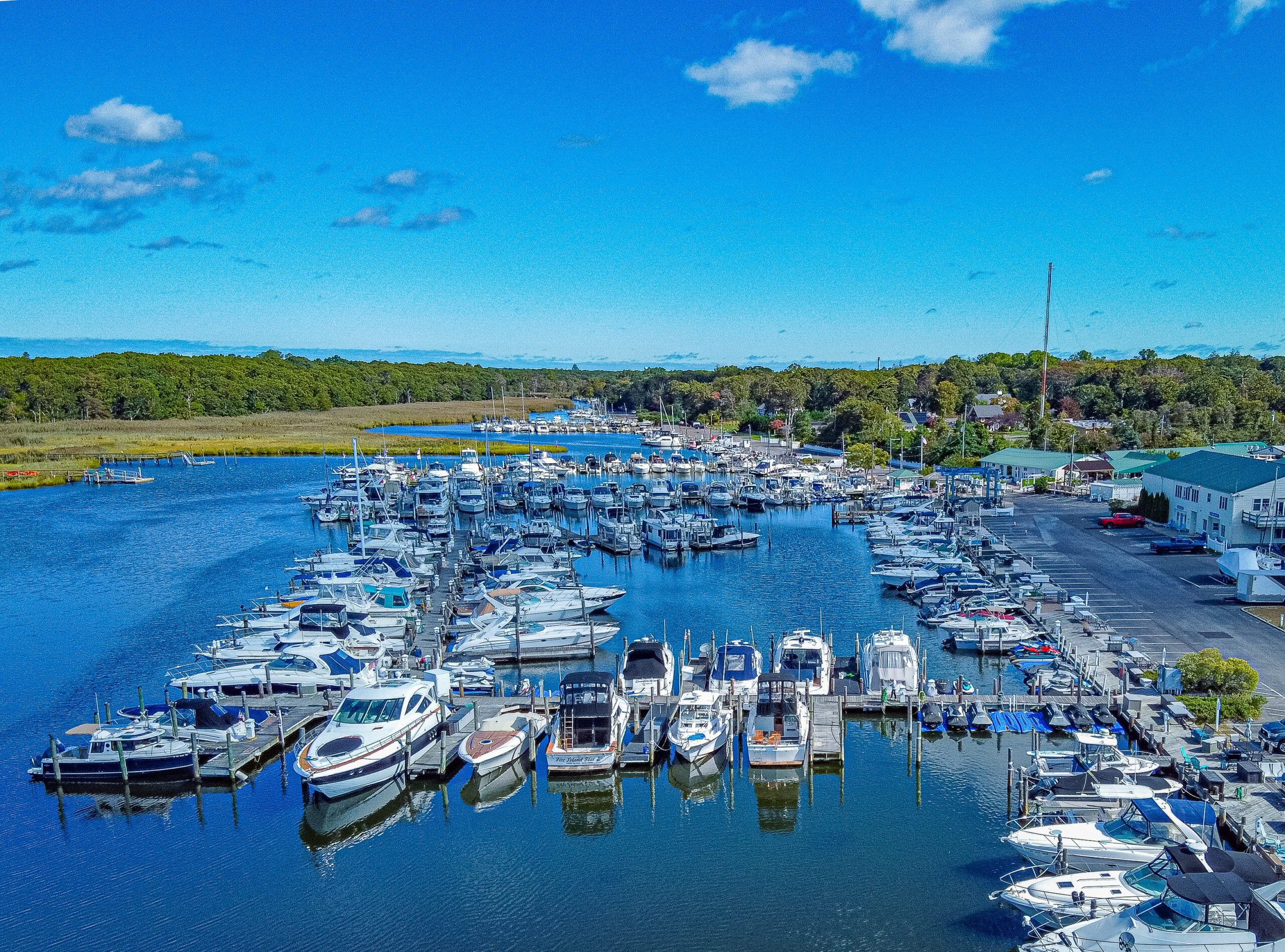
Most marina owners can recite their slip rates from memory. Fewer can tell you, without pulling out a calculator, what percentage of their gross revenue comes from anything other than slips and fuel. That gap is where a lot of value quietly leaks out of an otherwise well-run marina.
Slip fees and fuel margins are the visible economics of a marina, and the numbers everyone benchmarks against. But in property after property, the ancillary lines are where the real upside sits. They’re also the lines most operators under-manage simply because they’re not the first thing anyone looks at.
Here’s where that upside tends to hide.
Storage
Look beyond “winter” storage trailers, kayaks, gear, off-site
Additional Services
Detailing, winterize, shrink wrap, haul out & delivery
Service & Repair
In-house or contracted space for outside vendors
Ship Store / Retail
Gear, safety equip, provisions, grab & go items
Food & Beverage
Drives transient boat & foot traffic, creates vibe & culture
Events & Charters
Seasonal, high margin, great for name recognition
Most operators run two or three of these well, but leave significant income on the table by not executing others well, or not at all.
Dry Storage and Rack Storage
Wet slips get the attention, but dry storage is a cost effective additional source of revenue. Whether it’s a forklift-served rack system, simple dry land trailer/boat storage on a back lot, delivering boats to client’s homes or waterfront kayak storage racks often carry better margins per square foot than wet slips. Storage requires less capital-intensive infrastructure (no dredging, no floating dock replacement cycle) and can be priced on a seasonal or annual basis with minimal ongoing labor. Another opportunity may exist if your dry storage is priced the same way it was five years ago, or worse, priced as an afterthought to fill space. It’s a revenue stream worth revisiting on its own terms, not just as overflow for the wet side.
Service, Winterization, and Haul-Out Related Revenue
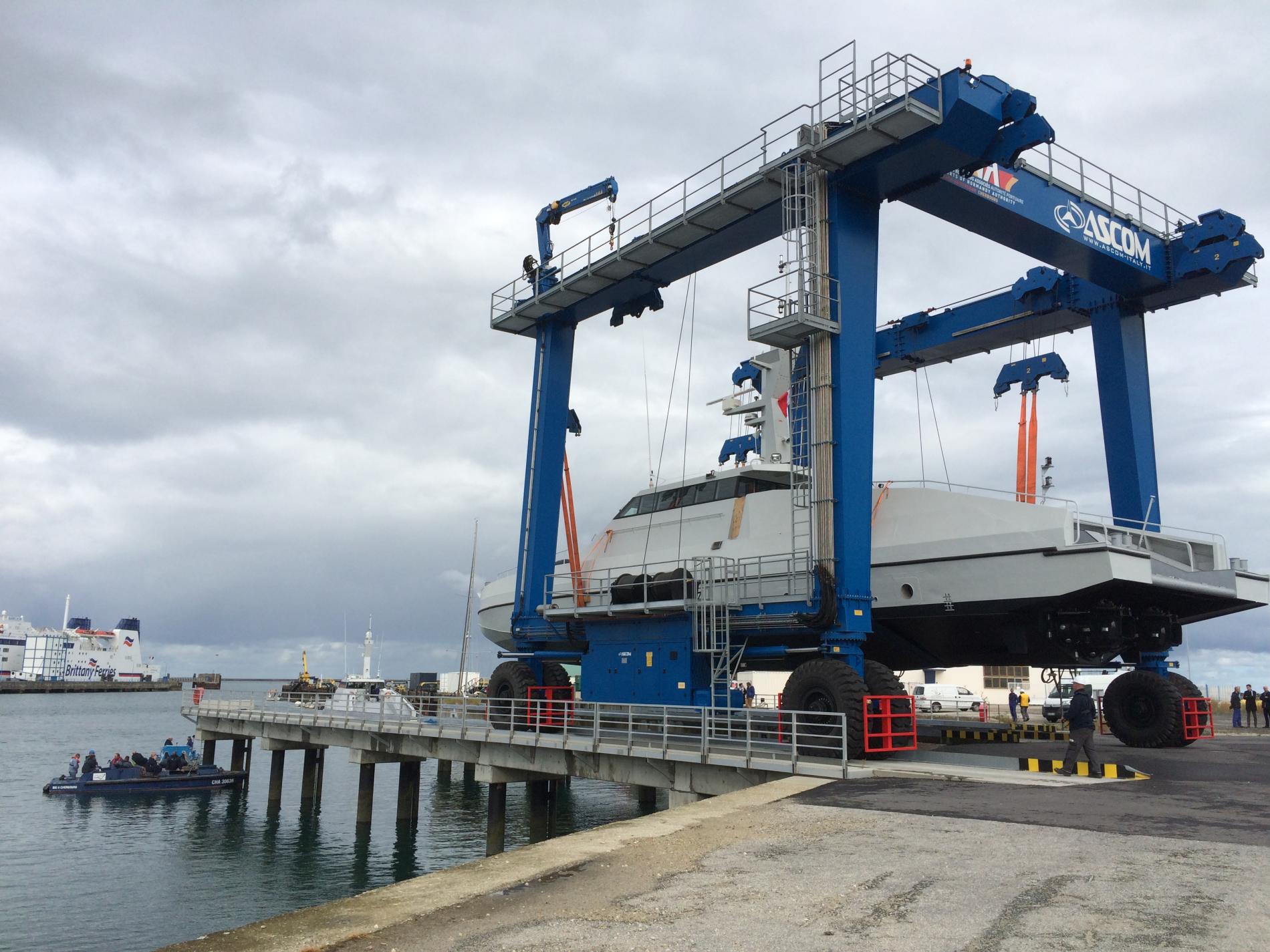
Every marina in a seasonal climate has haul-out and winterization revenue available, but not every marina captures it. Winterization, detailing, shrink-wrapping and service work are happening to most boats during fall & winter. If you don't offer these services. revenue is leaving your property and your pocket. A modest in-house service operation, offering shrink-wrapping, detailing services or investing in a hydraulic trailer can convert money currently going to other businesses into a real profit center.
Leases, Access Fees and Concessions
These are along the lines of the previous category, revenue that can stay on your property. Fuel delivery services, a dockside restaurant or snack bar, a kayak/paddleboard rental concession, a fishing charter operator based out of your facility, shrink wrapping and detailing services are all potential lease or revenue-share arrangements that many owner-operators either run at cost, or don’t pursue at all because managing a tenant relationship feels like a distraction from the core marina business. Structured correctly, these are almost completely passive income sources once the lease or access agreement is in place. They are also services that many of your customers want and make your marina a desirable place to park a boat.
Ship’s Store and Retail
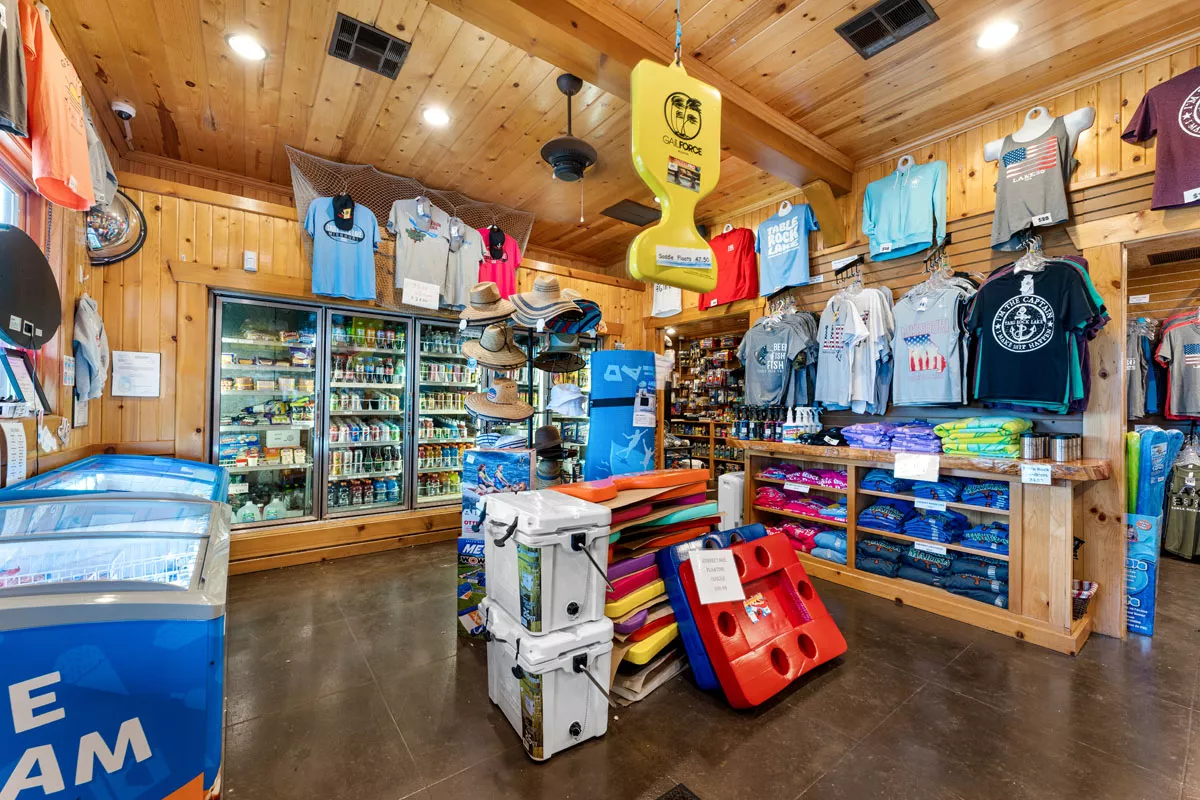
The on-site store is easy to treat as a convenience for tenants rather than a business line. But a well-curated ship’s store that includes fuel additives, safety gear, bait, ice, apparel and grab & go items captures dollars that would otherwise go to a marine supply store ten minutes away. It doesn’t need to be large to be worthwhile; it needs to be stocked with what your specific customer base actually buys (or forgets at home!) and priced like a business rather than an amenity.
Transient Dockage and Event Rental
Permanent slip holders are the backbone of marinas, but transient dockage paying day rates, weekend rates, or event-driven demand is where pricing power exists. Unlike annual slip rates, which are often sticky due to long-term tenant relationships, transient rates can flex with demand, local events, and seasonality. Marinas near a waterfront restaurant, brewery, or event venue are often sitting on dockside rental or event-hosting revenue they’ve never formally packaged and marketed.
Membership, Loyalty, and Ancillary Fees
Pump-out fees, guest passes, trailer parking, kayak or launch storage racks, bike rentals — individually small, collectively meaningful, and almost always underpriced relative to what tenants would readily pay for convenience. A membership or tiered-amenity structure (basic slip vs. slip-plus-amenities) can also increase average revenue per tenant without raising the headline slip rate, which matters when slip rates themselves are politically sensitive with a long-tenured customer base. Additionally, packaging multiple services can give you consistent revenue in shoulder and off seasons that can justify the hiring that is often needed to provide the amenities.
Why This Matters at the Deal Table
For an owner planning to hold, these are revenue and margin opportunities. For an owner planning to sell, they’re something more specific: they’re the difference between a marina valued purely on current NOI and one valued on demonstrated upside. Buyers and appraisers respond to documented, defensible revenue diversification not hypothetical upside described in a listing narrative. A marina that can show three or four ancillary lines with real historicals, even modest ones, tells a very different story in underwriting than one that’s 90% dependent on slip fees and fuel.
The operators who capture this value aren’t necessarily running bigger facilities, they’re capturing a more complete range of the money exchange already happening on their property, and pricing and packaging it deliberately instead of letting it run on autopilot or line someone else’s pocket.
If you want the fundamentals behind why marinas hold value the way they do in the first place, see some of my previous articles What Makes a Marina a Strong Commercial Investment in 2026? and What Is a Working Waterfront?
Want a second opinion on your marina’s revenue mix? EMAIL GINO or give him a call at (860) 984-5101 to discuss what's happening in the market.
Next in the series: “Navigating Coastal Permits: What Buyers and Developers Need to Know”
Enjoy this blog post? Click here to subscribe for updates
Leave A Comment