
Policy, Preservation & Community | The Working Waterfront Report
What Is a Working Waterfront? A Guide for Investors, Developers & Communities

A working fishing pier — the kind of commercial maritime infrastructure that defines a working waterfront.
When you stand at the edge of almost any harbor, you see two waterfronts at once. One is the version that gets the headlines — condominiums with water views, restaurant rows, hotel terraces, kayak rentals. The other is quieter, grittier, and increasingly rare: the working waterfront. It’s the same when you drive by a local marina: you see dozens of masts jutting up from sailboats and the shiny conning towers of yachts. But it takes a little closer look to see the charter boat that’s a sole proprietor small business taking paying fishermen out for a deep sea experience, or the mechanic in the shop bay that’s spent 30 years learning how to keep all those boats operating carefree.
It’s where the commercial fishing fleet ties up before dawn. Where a boatyard has hauled and launched vessels for three generations. Where a marine trades shop does engine overhauls, fiberglass repair, and custom fabrication. Where marine fuel, bait, ice, and gear are sold — not just to tourists, but to people whose livelihoods depend on the water.
Understanding these distinctions matters — for anyone who invests in, develops, finances, or operates waterfront commercial property, as well as preservationists, recreational users, and romantics that just like to walk the docks.
A Definition That’s More Than Scenic
The term “working waterfront” refers to any coastal or waterway-adjacent property that supports active maritime commerce. That’s deliberately broad, and intentionally so. Depending on the context, it can include:
- Commercial fishing piers and processing facilities — where catch is offloaded, iced, sorted, and distributed
- Marinas and boatyards — some serve working vessels, particularly in ports, while some specialize in recreational boaters. The majority cater to both in some capacity.
- Marine trades and manufacturing — boatbuilders, riggers, marine mechanics, marine electronics, and fabricators
- Aquaculture operations — shellfish farms, hatcheries, and supporting shore-side infrastructure
- Ferry terminals and water taxis — public and private transportation nodes dependent on waterside access
- Marine fuel and supply depots — the infrastructure that keeps commercial and recreational vessels operational
These individual businesses are sometimes adjacent to each other, while larger marine services businesses can offer several of these uses in one facility. What these uses share is functional dependency on water access. A marina without direct water access isn’t a marina. A fishing pier without a dock isn’t a pier. The maritime use and the waterfront location are inseparable — which is exactly what makes working waterfront property so valuable, so constrained, and so contested.
Why It’s Disappearing
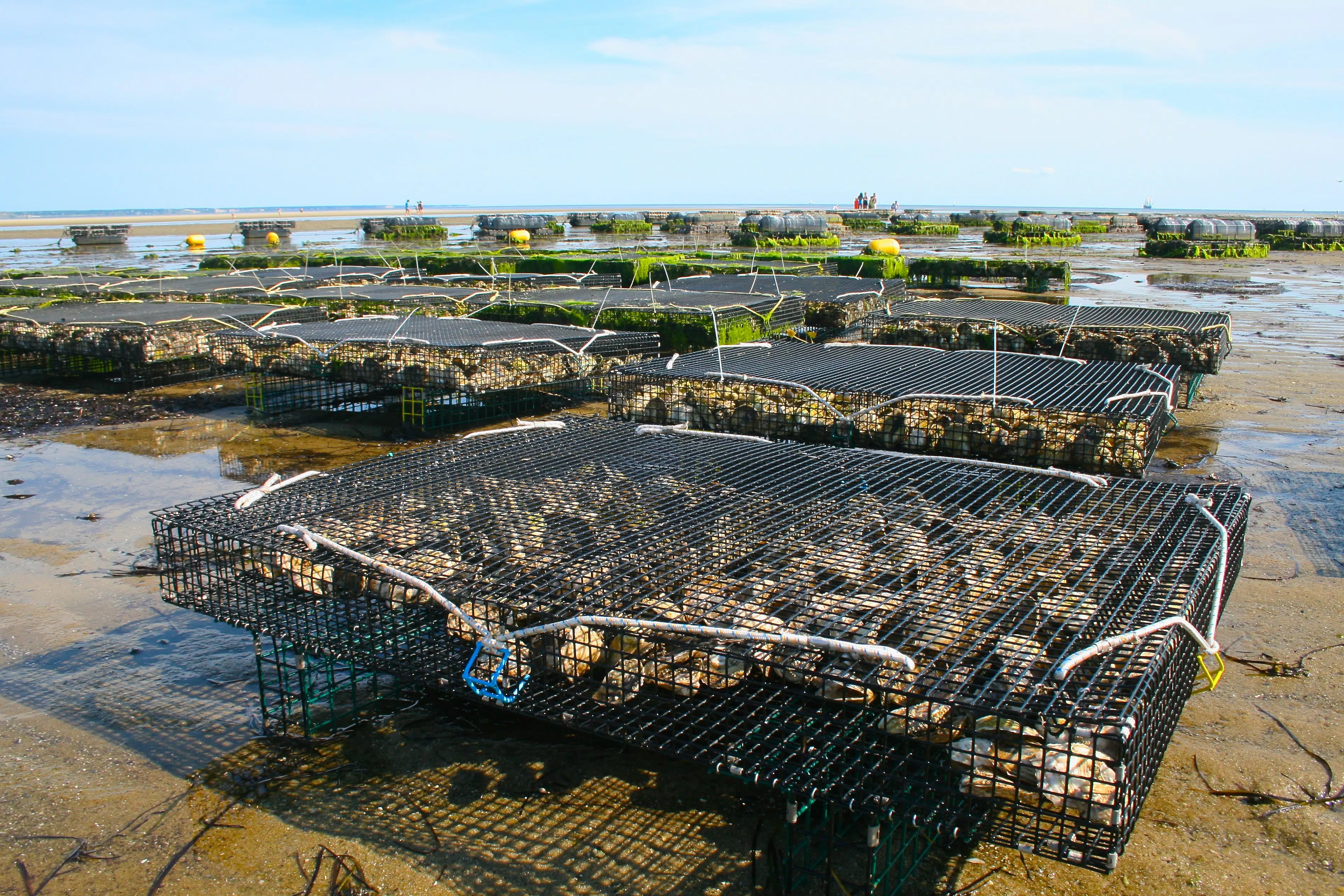
Aquaculture operations like oyster farming are a key part of the working waterfront economy across Southern New England.
The economics are straightforward, even if the consequences aren’t.
Waterfront land is among the most expensive in any market. Residential and mixed-use development — condominiums, hotels, upscale retail — typically generates far higher returns per square foot than marine-industrial or commercial fishing uses. As waterfront property values have escalated over the past two decades, the financial pressure on working waterfront landowners to sell or convert has intensified dramatically.
The result is a pattern playing out in harbor towns and coastal cities across the country: boatyards become luxury loft developments; fishing piers become waterfront dining districts; marine trades shops get priced out of their leases. The working waterfront shrinks, and with it the infrastructure that once supported an entire maritime economy.
This isn’t just a story about aesthetics or nostalgia. When working waterfront disappears, it rarely comes back. The permits, the infrastructure, the operational knowledge, the workforce — these things don’t reconstitute easily once they’re gone. And once working waterfronts are gone, those new developments become detached from the very character that made them valuable in the first place, and often lose tangible value themselves.
The Policy Response
Many coastal states have recognized this dynamic and enacted working waterfront protection legislation. Maine, Massachusetts, Rhode Island, Florida, North Carolina, and Washington are among the states with laws or programs specifically designed to preserve working waterfront access — through zoning protections, right-of-first-refusal requirements, purchase of development rights, or dedicated funding programs.
At the federal level, the Working Waterfront Access Pilot Program and various NOAA initiatives have provided grant funding for waterfront preservation and infrastructure support.
For investors and developers, this policy landscape is a material factor in any waterfront transaction. A property with working waterfront zoning protections may face constraints on conversion that affect value, financing, and exit strategy. Understanding what protections apply — and where they’re under pressure — is essential due diligence in any acquisition along the working waterfront communities of the Connecticut shoreline.
Why It Matters for Investors and Developers
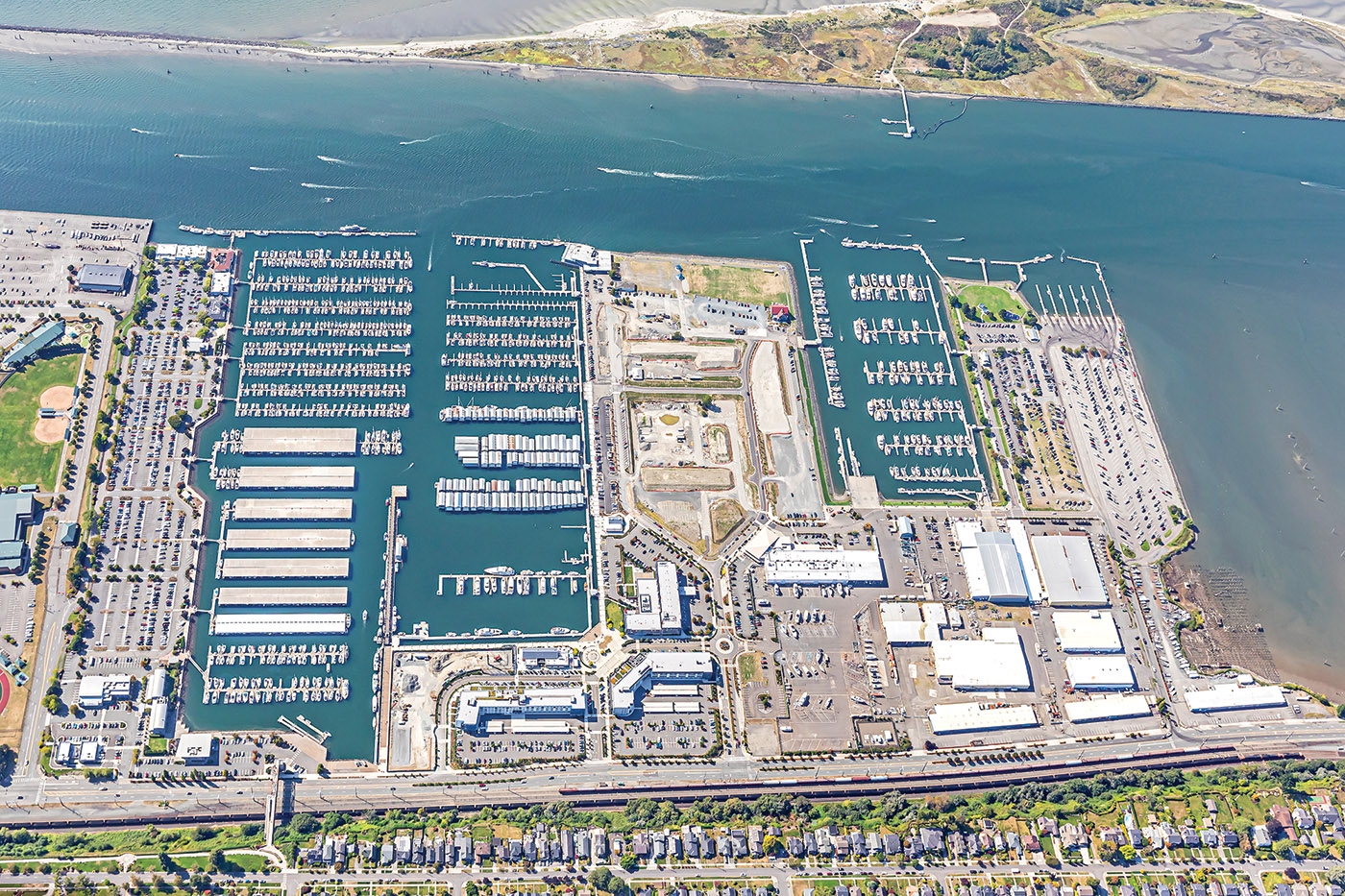
Working waterfront properties often carry a significant gap between current performance and optimized potential — a core investment thesis.
Working waterfront properties don’t fit neatly into standard commercial real estate categories — and that’s precisely what creates opportunity for sophisticated buyers.
The same supply constraints that make marinas compelling investments apply across the working waterfront spectrum. You cannot permit a new commercial fishing pier in a built-out harbor. You cannot recreate a third-generation boatyard on a parcel that’s been rezoned residential. These are irreplaceable assets with genuine barriers to competitive entry.
At the same time, many working waterfront properties are underinvested, operationally underdeveloped, and owned by operators whose primary expertise is maritime, not real estate. There is frequently a gap between what a property generates and what it could generate with better capital, better management, or thoughtful repositioning — without sacrificing the maritime use that makes it valuable in the first place.
What This Series Covers
The Working Waterfront Report is built around that opportunity. Over the coming months, I’ll cover marina investment and valuation, marina operations and revenue optimization, waterfront development and redevelopment, regulatory and environmental due diligence, preservation policy, and on-the-ground profiles of working waterfront properties across Southern New England.
Whether you’re evaluating an acquisition, managing an existing operation, planning a development, or trying to understand the policy environment — I’ll be bringing insights to this underappreciated asset class.
Have questions about working waterfront property? EMAIL GINO to discuss what we’re seeing in the market.
Enjoy this blog post? Click here to subscribe for updates
Leave A Comment